Where ROI Actually Comes From: Channel by Channel
Organic Search (SEO)
SEO is the highest-ROI channel in hospitality digital marketing over a three-year horizon and one of the most underinvested. Hotels that invest in SEO and content reduce their dependency on OTAs by an average of 18% within 12 months, yet only 19% of independent restaurants actively invest in it a significant competitive gap for brands willing to commit.
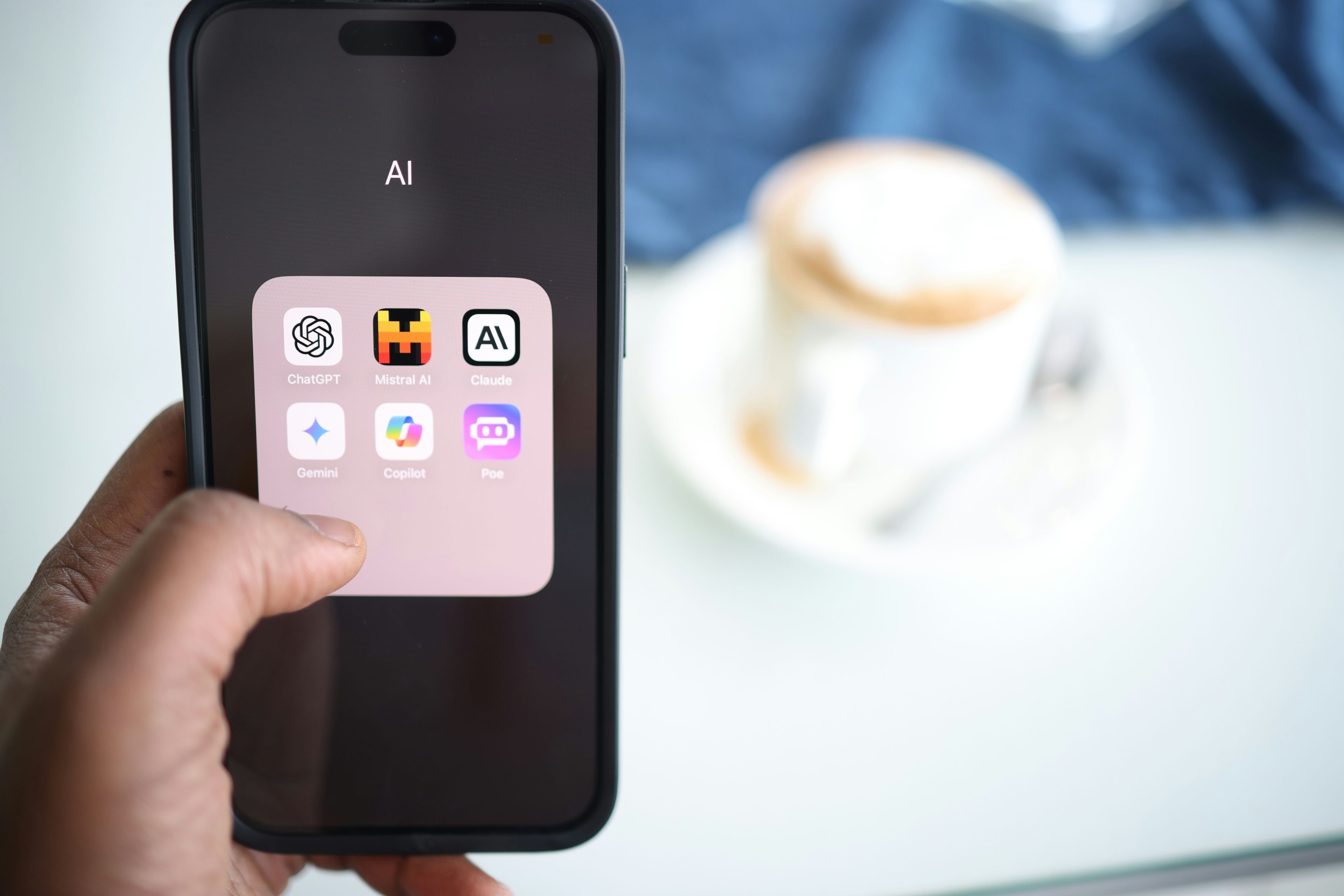
In 2026, though, SEO means something different to what it did two years ago. AI-powered search is reshaping how guests discover venues before they ever reach a results page. Over a quarter of travellers now use AI tools for trip planning, Google’s AI Overviews account for 13% of all search queries, and platforms like Google Maps and TripAdvisor return conversational results based on structured data rather than page rankings.
A guest asking “boutique hotel with private dining near Winchester” increasingly gets a curated answer, not a list of links. If your site isn’t set up to feed those systems through schema markup, accurate business data, and content that answers specific guest questions, you’re invisible to a growing share of high-intent searches, regardless of where you rank traditionally. The brands getting the most from SEO treat it as two parallel work streams: traditional ranking for high-intent searches, and AI visibility through structured data and well-organised content. Both matter.
The underlying ROI case remains unchanged. OTA commissions run 15-25% of booking value, and when you factor in higher cancellation rates and lost upsell revenue, the true cost of OTA dependency is closer to 30-35% per booking. Every direct booking driven by organic search saves that margin in full. The key metric isn’t rankings, it’s organic revenue as a percentage of total bookings, tracked over time.